How to Calm a Reactive Dog: Proven Training Principles
Key Takeaways
- Use the evidence and verification questions in this guide to make a fit-based decision.
- Check current instructions, safety limits, pricing, and terms before acting.
- Pause and seek qualified help when the situation exceeds the guide’s scope.
“This post contains affiliate links. If you purchase through these links, I may earn a commission at no extra cost to you.”
Helping a reactive dog become calmer starts before the visible outburst. The practical work is to reduce preventable pressure, notice early signals, preserve enough distance for the dog to process information, reinforce manageable choices, and allow recovery. “Calm” is not something a handler can demand after the dog is already overwhelmed.
Reactivity is a description of an intense response, not a complete explanation. Fear, frustration, pain, conflict, anticipation, restricted movement, or several factors may contribute. Because the same barking or lunging can arise from different conditions, the safest plan is built around observation and individualized limits rather than a universal correction.
The principles below are educational. When aggression is serious, there is a bite history, distress is significant, or the household cannot maintain safety, the next step is qualified professional assessment—not a more forceful version of a general exercise.
Principle: safety and management come first
Management changes the environment so the dog is less likely to be pushed into an unmanageable response. It can include choosing quieter routes, using visual barriers, increasing space, avoiding narrow approaches, planning exits, and coordinating household handling. Management is not giving up on training. It creates the conditions in which learning is more likely to be safe.
The plan should account for the whole scene. A handler needs to see approaching triggers, traffic, surfaces, other animals, people, and possible escape routes. Equipment should be appropriate for the dog and used according to current manufacturer guidance. This article does not recommend dimensions, configurations, or restraint methods for an individual dog.
Avoid testing whether the dog can tolerate a difficult situation. Deliberately moving closer until a reaction occurs provides less useful information than observing the earliest change and moving away while choices remain available. Preventing rehearsal is not always possible, but avoidable exposure should not be treated as a required training step.
Management also protects other people and animals. A plan that depends on strangers following instructions is fragile. Use distance and barriers controlled by the household rather than asking an unknown person or dog to participate in an exercise.
Principle: learn the dog’s early signals
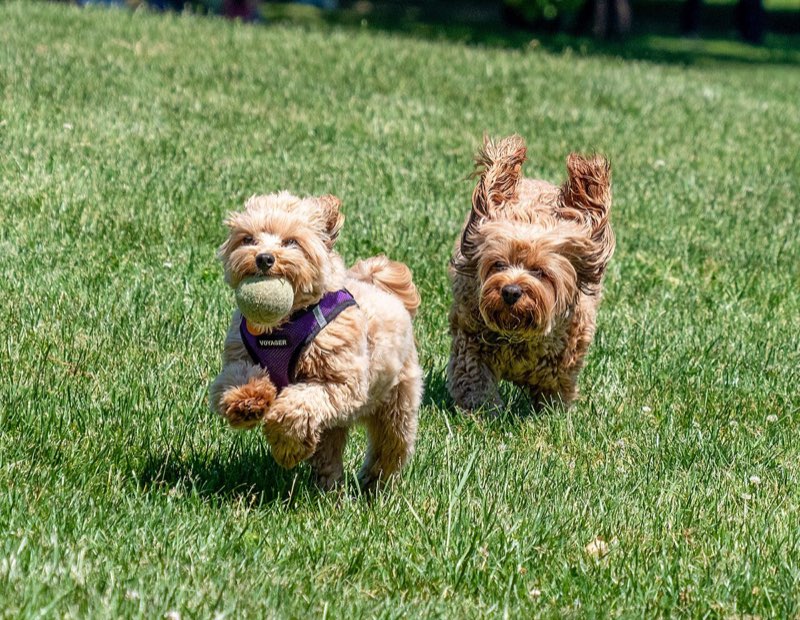
The visible outburst is often preceded by smaller changes. The dog may alter pace, posture, breathing, mouth position, gaze, ear position, weight distribution, sniffing, food response, or orientation to the handler. No single signal has one universal meaning, so context and the pattern across the dog matter.
Observe what changes first when a trigger appears and what returns as the dog recovers. A descriptive note is more reliable than a judgment. “Stopped sniffing, raised the head, and held the gaze” gives the household something to compare. “Became dominant” introduces an explanation that the observation alone does not establish.
Food response can be information but should not be used as the only threshold test. Some dogs eat while highly stressed, while others refuse food for reasons unrelated to the trigger. Look at the whole dog and the ability to turn, move away, respond to familiar guidance, and recov
Early recognition gives the handler more options. Distance can be created before the lead tightens, a visual barrier can be used, or the route can change. Waiting for certainty often means waiting until the situation is harder.
Principle: distance is a training tool
Distance changes the intensity of many triggers. The useful distance is not a fixed measurement from an article; it varies with the dog, trigger, movement, environment, prior events, and the availability of an exit. A stationary dog across an open area may be easier than a sudden appearance in a narrow path even when the physical gap looks similar.
Begin where the dog can notice the trigger and still perform ordinary safe behavior. That might include orienting back, sniffing, moving with the handler, or disengaging. If the dog becomes fixed, frantic, unable to move away, or increasingly 
Distance is not a reward that should be withheld until obedience occurs. Leaving can itself be the appropriate response. A dog that learns the handler will help create space may have less need to escalate communication.
The environment should make distance easy to use. Cross early, turn before reaching a narrow point, step behind a barrier, or choose a route with more options. These are planning decisions, not failures of training.
Principle: work below overwhelming intensity
Training is more informative when the dog can perceive the situation without being flooded by it. “Threshold” is often used for the point at which the dog can no longer respond in an organized way, but it should not be imagined as a precise universal line. Capacity can change within the same outing.
Stress can accumulate. A difficult event, poor sleep, pain, weather, noise, or repeated surprises may reduce what the dog can handle. A setup that was manageable before may not be appropriate today. The plan should respond to the current dog rather than force consistency.
If an outburst occurs, focus on safe exit and recovery. Do not turn the moment into a test of cues or punishment. Once enough space is available, reduce demands and assess whether the activity should end.
Working below overwhelming intensity does not mean the dog must look perfectly relaxed. It means the setup allows information, choice, and a safe route away. Qualified observation is valuable when signals are difficult to interpret.
Principle: reinforce useful, voluntary choices
Reinforcement can support behaviors that help the dog navigate a trigger, such as orienting toward the handler, moving away, checking the environment briefly and disengaging, or following a practiced route change. The chosen reward must be appropriate for the dog and situation.
The timing and setup matter more than forcing a particular pose. Asking for stillness while a trigger approaches may increase conflict if movement would create safety. A familiar cue can be useful when it supports an exit, but it should not trap the dog in proximity.
Do not punish warning signals or communication. Suppressing barking, growling, or movement without addressing the underlying pressure can make the scene appear quieter while risk remains. The goal is a safer emotional and behavioral process, not silence at any cost.
Training should leave room for refusal. If the dog cannot take the offered reward safely, cannot disengage, or repeatedly attempts to leave, increase distance and reconsider the session. Participation is information.
Principle: teach predictable exit patterns away from triggers
Practice simple movement patterns in easy environments before relying on them around a trigger. A turn, a follow cue, movement behind a barrier, or orientation toward a safe direction can become familiar through humane repetition. The exact cue word matters less than consistency and a history of safe outcomes.
The pattern should be physically manageable for the handler and dog. Avoid abrupt equipment pressure or movement that creates slipping, collision, or conflict. If mobility, size, pain, or handling safety is a concern, seek individualized professional guidance.
An exit pattern is not a trick the dog must perform to earn distance. The handler can initiate movement and reinforce cooperation while still creating space immediately. Safety is the controlling goal.
Household members should use the same basic plan. Mixed signals—one person approaching while another retreats, or different cue meanings—can reduce predictability. Agree on the route, barrier, and communication process before difficult situations arise.
Principle: recovery is part of training
The period after a trigger matters. Some dogs return to ordinary behavior quickly; others remain watchful, restless, or easily startled. Continuing into another difficult encounter before recovery may increase the chance of escalation.
Give the dog access to an appropriate lower-pressure environment and reduce unnecessary demands. Recovery does not require a complex exercise. It may mean leaving the area, returning home safely, allowing sniffing where appropriate, or providing quiet time.
Observe what recovery looks like for the individual dog. Breathing, movement, ability to disengage from scanning, ordinary food interest, and settling can provide context, but no single sign is decisive. Persistent difficulty recovering is a reason to reduce future exposure and seek qualified input.
A training record should include recovery, not only the moment near the trigger. This prevents the household from judging a session successful merely because an outburst did not occur.
Principle: change one variable and keep records descriptive
Reactivity setups contain many variables: distance, direction, speed, trigger type, number of triggers, visibility, sound, confinement, handler movement, weather, and prior events. Changing several at once makes it difficult to understand the response.
When practice is appropriate, change one controllable element and preserve an easy exit. If the dog struggles, return to the last manageable setup rather than escalating rewards or pressure. A qualified professional can help identify which variable is most useful to change.
Records should describe context, early signals, handler action, the dog’s response, exit, and recovery. Any distance or timing note is the reader’s situational estimate, not a universal training prescription. Avoid success percentages, fixed deadlines, or comparisons with another dog.
Review patterns over time with humility. Improvement may be uneven, and a quieter response can result from distance, fatigue, suppression, or genuine comfort. The full context determines what the observation may mean.
Principle: meet broader needs without using exhaustion as treatment
Appropriate physical activity, sniffing, rest, food opportunities, social safety, predictable routines, and suitable enrichment can support general welfare. They do not erase the need for reactivity-specific management or assessment. A tired dog can still be fearful, in pain, or unsafe.
Avoid responding to reactivity by continually increasing exercise or stimulation. Over-arousal, insufficient recovery, physical strain, and frustration can complicate the picture. The appropriate balance depends on health and the individual dog.
An enrichment routine can help the household observe preferences and transitions. Choose activities that remain voluntary and safe, and consider food within the overall diet. Sudden changes or exercise questions belong with a qualified veterinarian.
Applying the principles to common situations
Walks
Choose routes with visibility and exits. Scan ahead, change direction early, and prioritize distance over completing the planned route. A shorter or altered walk can be the responsible decision when the environment becomes difficult; no duration is prescribed here.
If a trigger appears unexpectedly, create space without demanding a complex behavior sequence. Once safe, decide whether the dog can recover or whether the outing should end. Do not remain nearby simply to turn the encounter into practice.
Windows, fences, and home boundaries
Repeated visual access can create frequent high-intensity episodes. Management may involve appropriate visual barriers, changes to room access, sound reduction, or moving resting areas, provided welfare and household safety are maintained.
Avoid punishing the dog at the boundary. Reduce the trigger’s access and teach an alternative movement away from the area in easier moments. Property layout, neighbor safety, and the dog’s history may require professional planning.
Visitors
Visitor plans should be made before the door opens. Use secure separation, clear household communication, and a setup that does not depend on the visitor following training instructions. A dog does not need to greet every visitor.
When there is aggression, a bite history, or significant distress around visitors, seek qualified professional help. Do not use a social event as an experiment or rely on an article to judge risk.
Methods and program claims to question
Be cautious when a resource promises rapid transformation, uses the same protocol for every cause, dismisses medical assessment, or treats fear and frustration as disobedience. Also question demonstrations that omit setup, distance, body language, and what happened after the visible clip.
Testimonials and dramatic before-and-after scenes do not establish fit for another dog. Evaluate the method, qualifications, safety boundaries, and current terms. A commercial program should be one possible educational resource, not the authority that defines the dog’s needs.
Limitations and when to seek professional help
This guide cannot diagnose reactivity, evaluate equipment, assess bite risk, prescribe medication, or design an individualized behavior plan. General principles may be misapplied when the cause, signals, or environment are misunderstood.
Consult a qualified veterinarian when pain, illness, sudden behavior change, exercise concerns, medication questions, or other health factors may be involved. For serious aggression, a bite history, significant distress, repeated inability to recover, or situations the household cannot manage safely, consult a qualified veterinarian and an appropriately qualified behavior professional.
If there is immediate danger, prioritize distance, barriers, and appropriate local emergency support. Do not attempt an online exercise in the middle of a crisis.
Conclusion
A calmer process is built through safety, early observation, distance, manageable intensity, humane reinforcement, predictable exits, recovery, and careful records. These principles reduce pressure and improve the quality of information available to the household and any professional involved.
The plan should become more individualized as risk and complexity increase. Respect the dog’s communication, avoid forced exposure, and use qualified veterinary and behavior support when health, aggression, bite history, or significant distress is present.
Related internal-link candidates
Compare education formats in Dog Reactivity Training Programs Compared. Build lower-pressure daily variety with How to Build a Dog Enrichment Routine at Home and evaluate a general structured resource through Brain Training for Dogs Review.
FAQ
Is this a universal recommendation?
No. Fit depends on the reader’s situation and what can be verified now.
What should I verify next?
Confirm current instructions, materials, safety guidance, price, access, and refund or return terms.
When should I stop?
Stop when there is a safety concern or uncertainty beyond your current skills, and seek qualified help.